Vietnam
All pages

Vietnam
Where Streets Tell Stories
Vietnam is More Than Scenery
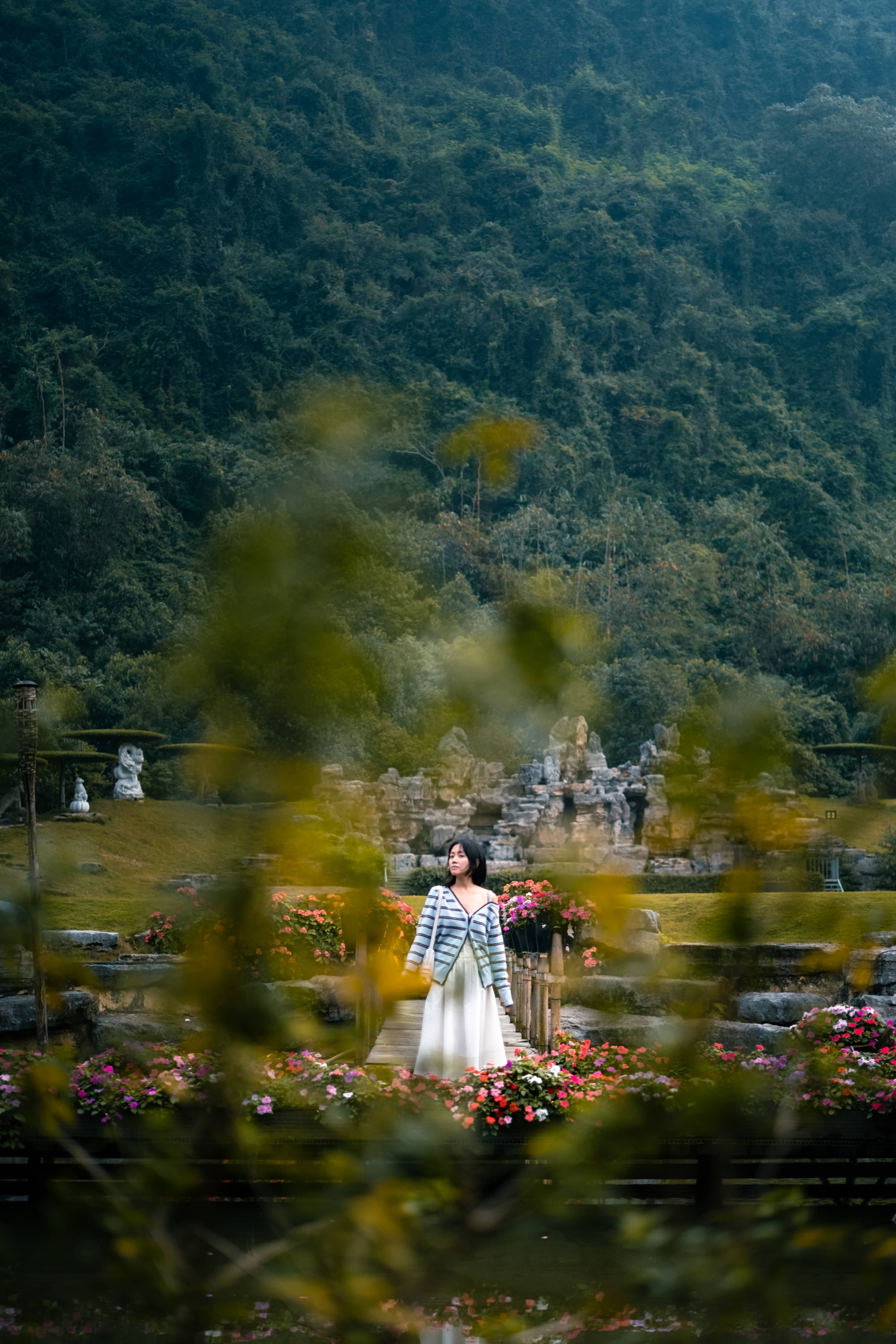
Vietnam is often remembered for its landscapes: mountains fading into mist, rivers cutting through limestone, streets full of movement. But staying a little longer, moving a little slower, something else begins to show.
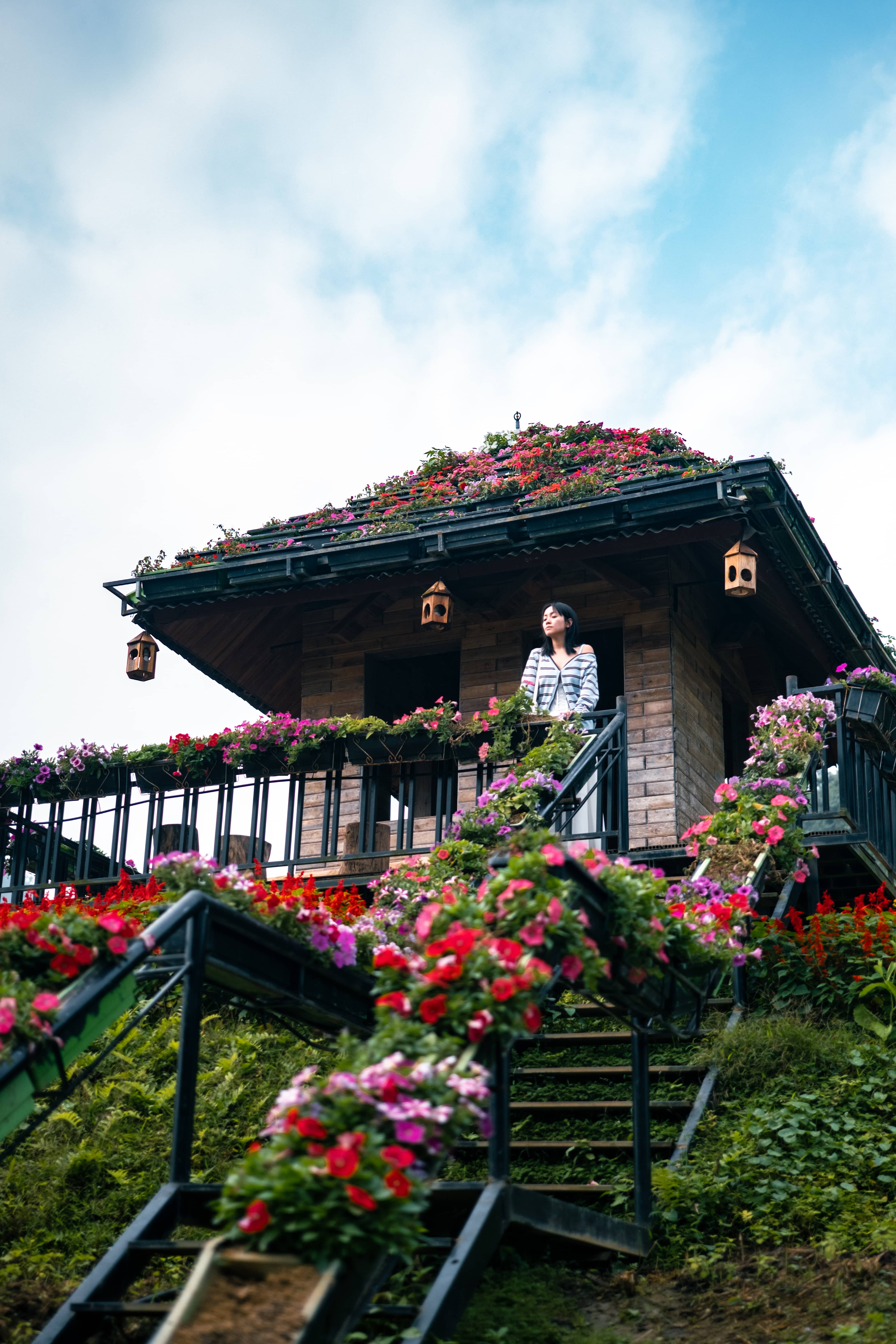
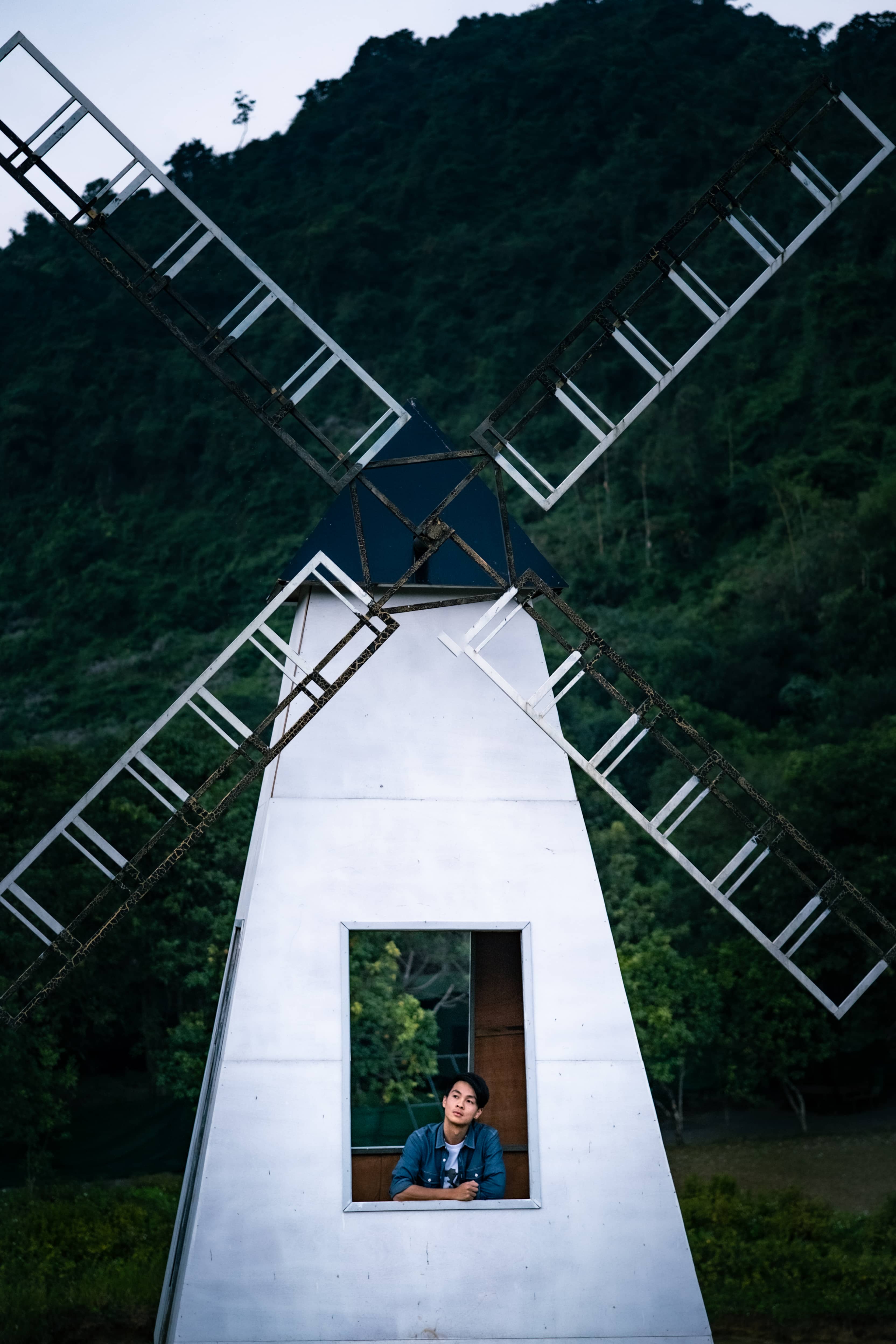
In Hanoi, history sits quietly between the chaos of motorbikes and narrow streets. In Da Nang, modern structures rise alongside the coastline, while Ba Na Hills feels like a strange collision of worlds: part fantasy, part European influence, placed high above the clouds.
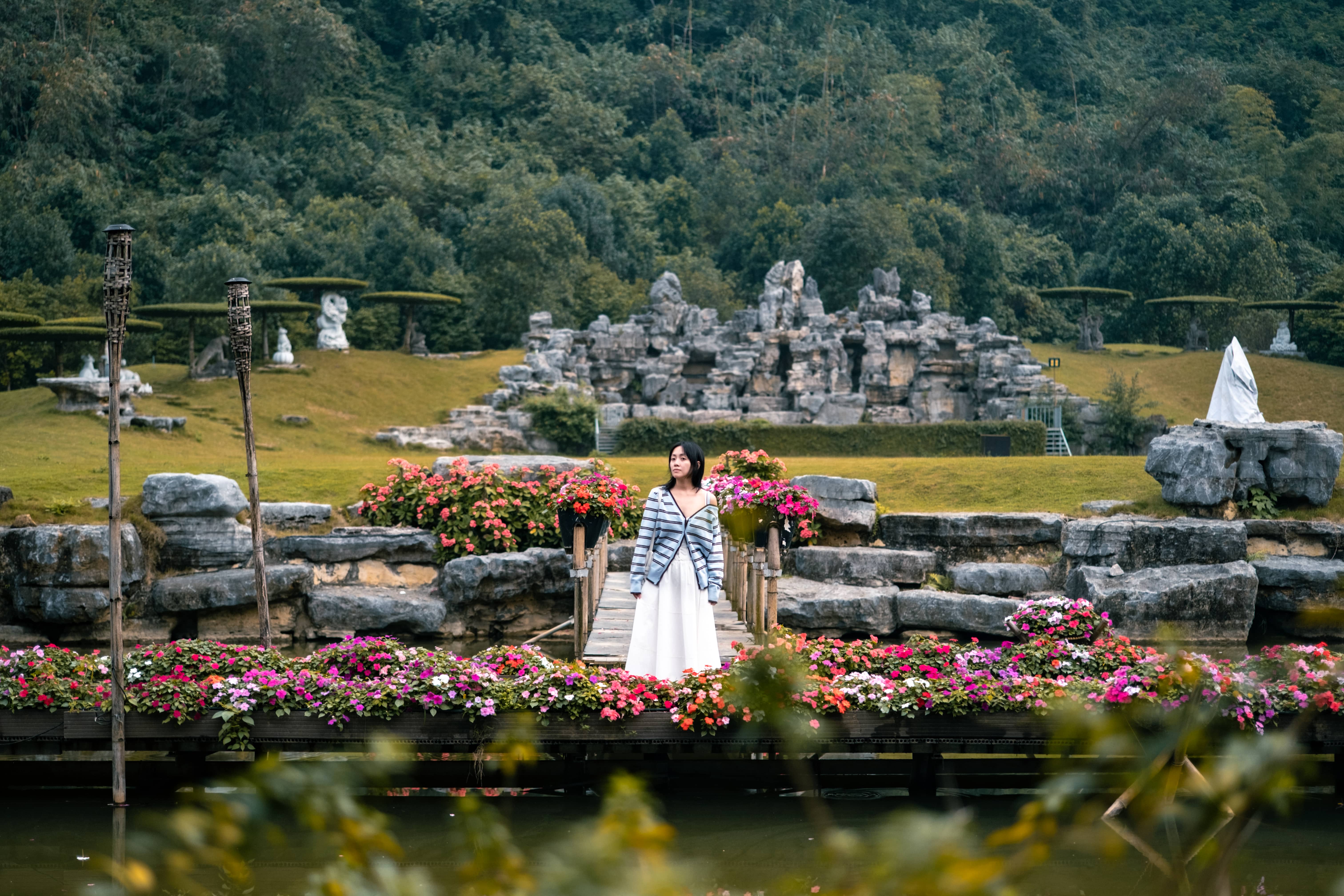
Hoi An softens everything. Warm light, aged walls, and architecture that carries traces of trade, culture, and time. Then Ninh Binh pulls things back to nature, but even there, temples and structures are woven into the landscape, not separate from it.
What stands out isn’t just how Vietnam looks, but how it holds its stories: in buildings, in streets, in details that are easy to miss if you only chase the “scenery.”
Because Vietnam isn’t just something to look at. It’s something that slowly reveals itself the more attention you give it.